Български






With the entry into force of amendments to the Renewable Energy Sources Act (ZEVI), Bulgaria is taking an important step towards stimulating investments in green energy. The amendments, published in the State Gazette on June 10, aim to significantly shorten and ease the administrative procedures and deadlines for the implementation of photovoltaic systems and other renewable energy facilities.
In this way, the full transposition of the European directives for the promotion of green energy is achieved, or more specifically the requirements of Directive (EU) 2023/2413, which sets a new goal: a minimum 42.5% share of renewable energy in the EU’s gross final consumption by 2030.
Shorter deadlines and simplified procedures for RES projects
One of the most significant changes is the introduction of a period of only 1 month for issuing permits for the construction of photovoltaic installations with a capacity of up to 20 kW, intended for own consumption. This also applies to projects implemented by energy communities.
For larger solar systems and energy storage facilities, the deadline is limited to a maximum of 3 months. This reduction is key for investors who have previously faced significant administrative delays.
The principle of “tacit consent” is also introduced – if the administration does not decide within the specified period, the application is considered approved. This applies provided that the requested power does not exceed the available power of the building’s electrical connection. The mechanism creates security for investors and limits arbitrariness in procedures.
Administrative service centers – opportunity or challenge?
The changes in ZEVI 2025 require each municipality to have an administrative service center to advise citizens and businesses on the procedures for building or upgrading RES projects. While this is a step towards centralized coordination, in practice there is a risk of uneven implementation and potential administrative difficulties at the local level, especially in smaller municipalities.

Integration of renewable energy sources in urban planning
For the first time, the law requires renewable energy sources to be taken into account in urban planning. This means that when building new neighborhoods, public buildings or business areas, the possibility of including solar panels, geothermal systems, solar heating or heat pumps will have to be considered. This will help reduce the carbon footprint of cities in the long term.
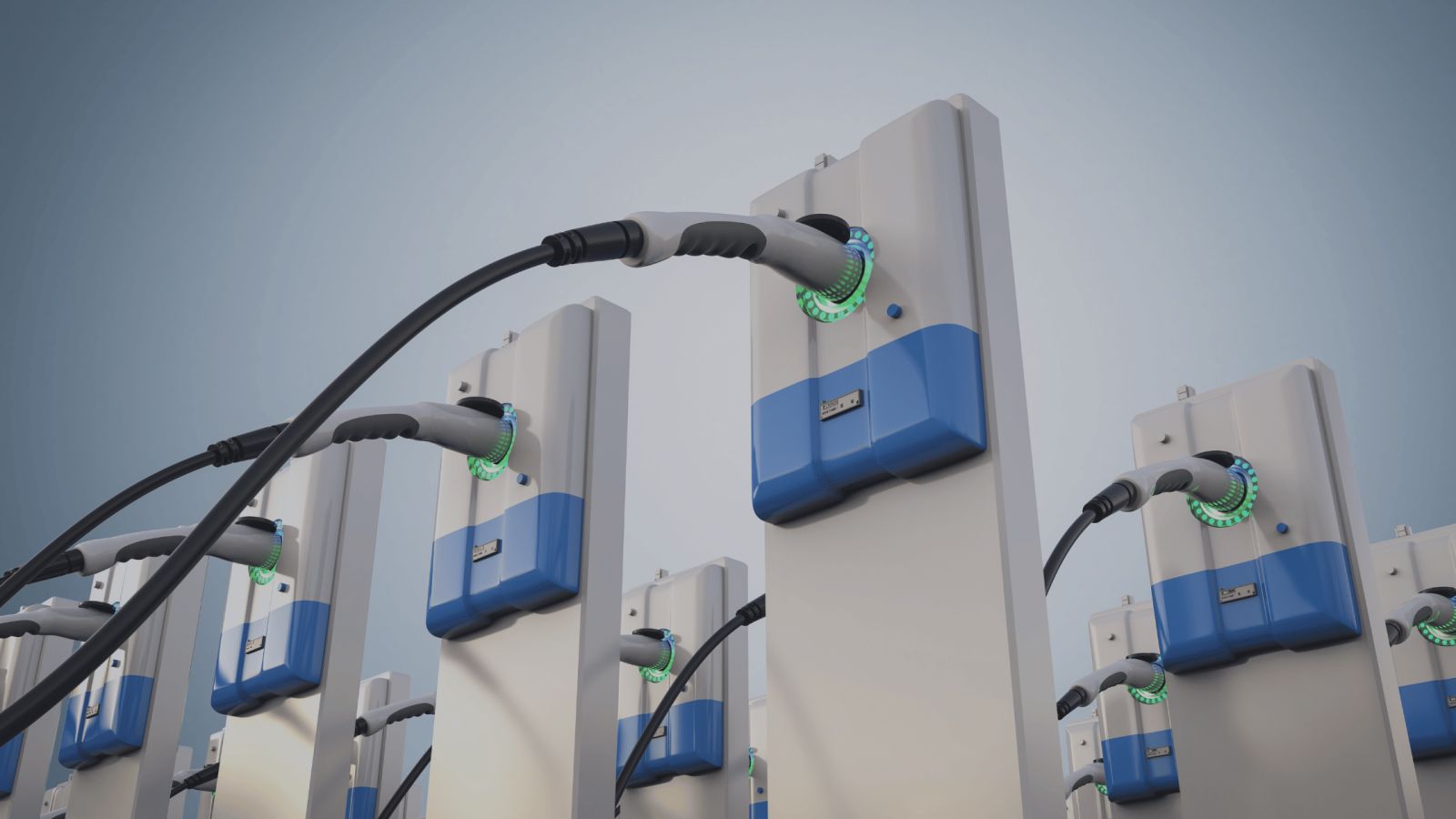
Green energy is also entering transportation
According to the changes in ZEVI 2025, by 2030 at least 14% of the energy used in transport must come from renewable sources. This includes electricity from renewable sources, biofuels and biogas. Fuel suppliers will be obliged to provide the corresponding share through direct investment or certification. This opens up new opportunities for the development of charging stations, electric vehicles and infrastructure oriented towards decarbonization.
Changes in ZEVI 2025: relief for business or formal implementation of directives?
The changes in ZEVI 2025 undoubtedly outline a positive direction for the development of renewable energy in Bulgaria, significantly easing the administrative burden and introducing a clearer regulatory framework for business. The introduction of tacit consent and fixed deadlines for project consideration increases legal certainty for investors and creates a more favorable planning environment. An additional positive aspect is the inclusion of obligations for municipalities to integrate RES into urban planning, which will stimulate sustainable solutions in the long term.
However, challenges remain. In practice, there is no clearly defined mechanism for implementing the new rules at the local level, which may lead to uneven and difficult implementation. The creation of administrative service centers in each municipality will require additional resources, training and coordination. In addition, some of the changes appear to be a formal implementation of the requirements of European legislation, without being supported by a comprehensive and coherent national strategy.
Support from SolarHouse: Navigate the changes in ZEVI 2025 with confidence
We are ready to assist you with:
– Consultations on new requirements
– Preparation of project documentation
– Construction of solar systems under simplified procedures
Contact us and make your investment in solar energy easy, fast and without unnecessary obstacles.