Български






How changes in Chinese export policy will affect Europe and Bulgaria
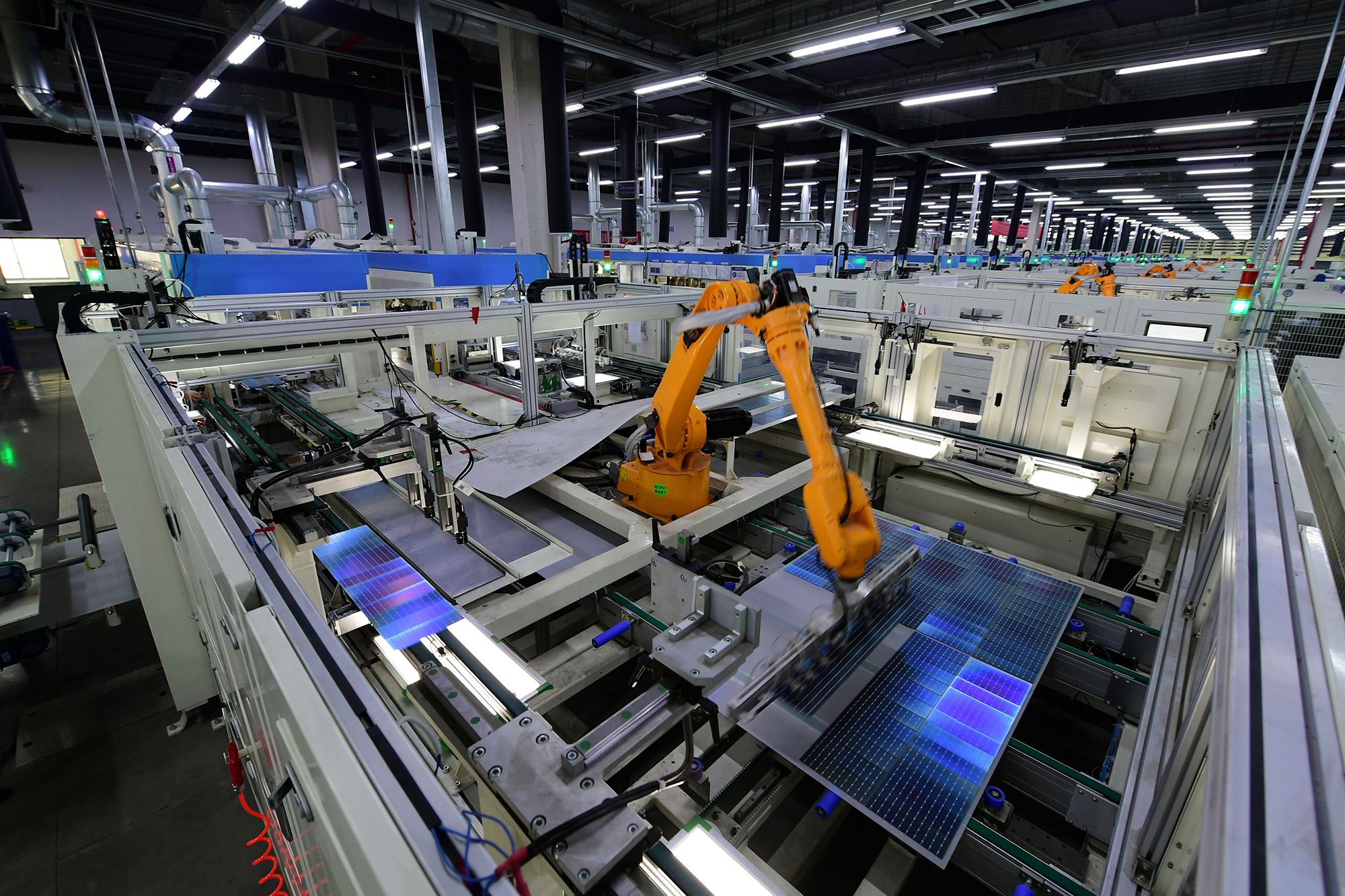
The photovoltaic market is entering a new phase from 2026. China, a key global producer of solar panels and batteries, is officially changing the VAT refund regime on exports. Although the measure is internal to the Chinese economy, its effect is transmitted throughout the supply chain and is expected to affect the prices of solar panels and batteries in Europe and Bulgaria.
It is important to clarify that this is not a change in VAT on imports into the EU. The change only affects the way Chinese manufacturers calculate their export prices, but these are often the starting point for the European market.
How China affects solar panel prices
Until now, the refund of part of the VAT on exports allowed Chinese manufacturers to maintain a more flexible pricing policy. This mechanism was often used to compensate for logistics costs or as a tool for more competitive offers.
From April 1, 2026, this buffer for solar panels will be completely eliminated. This means that the real cost of exports will increase. In the short term, some manufacturers may bear the brunt, but for the most part, it will gradually be passed on to the market. This is why significant pressure is expected on solar panel prices, especially with new deliveries after the first quarter of 2026.
What to expect with battery prices
For batteries, the process is smoother, but the direction is the same. In 2026, VAT refunds on exports are reduced, and from the beginning of 2027 they are completely eliminated. This means that battery prices are unlikely to jump sharply, but will move steadily upwards over time.
An additional factor is the raw materials market. After the announcement of the changes, there has been an increase in lithium prices, which suggests that the chain is starting to calculate future risk now. For the end customer, this makes the moment of purchase and delivery terms increasingly important.
How will this affect the market in Bulgaria?
If you are planning an installation in 2026, there are a few sensible moves:
- Plan early – especially if the project is budget-sensitive (commercial rooftops, ground-mounted installations, larger systems).
- Reserve delivery/quantities (when possible) before loading around the end of Q1.
- Leave a buffer in the budget – even a 5–10% buffer often saves the project during market fluctuations.
- Consider alternatives (technologies/brands/models) – sometimes availability and logistics matter more than “cost per watt.”
Frequently asked questions about solar panel and battery prices
Will VAT change when importing solar panels and batteries into Bulgaria?
No. The changes only affect China’s export VAT refund policy. Import VAT in the EU and Bulgaria is charged according to the standard procedure.
When can the effect on prices actually be felt?
Most often for deliveries after April 1, 2026. However, part of the market may react earlier by changing offers and reserving quantities.
Support from Solar House: offer with current prices and a realistic deadline
The Solar House team monitors market changes in real time and works with current price levels and availability. If you have a project and are looking for a quote with realistic deadlines and a clear price framework, we can offer options tailored to your budget and time horizon. Contact us for more information.