Български





Sale!
Photovoltaic panels
Original price was: 136,93 €.123,24 €Current price is: 123,24 €. VAT included
Photovoltaic panels
57,09 € - 60,67 €
Sale!
Photovoltaic panels
Original price was: 104,07 €.93,66 €Current price is: 93,66 €. VAT included
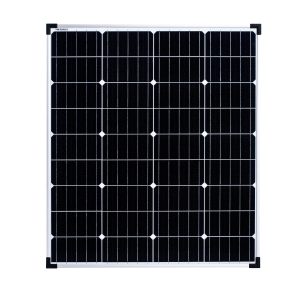
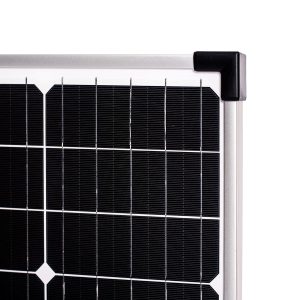
Photovoltaic panels
51,84 € - 55,42 €
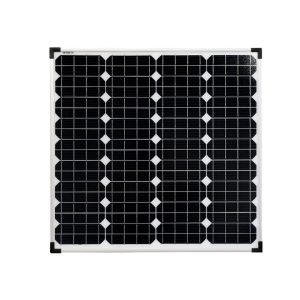
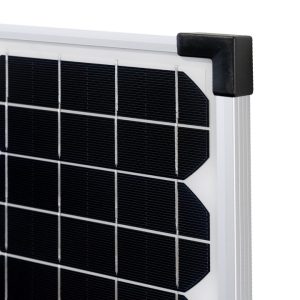
Photovoltaic panels
44,13 € VAT included
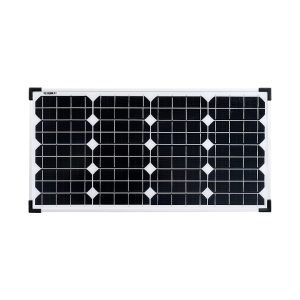
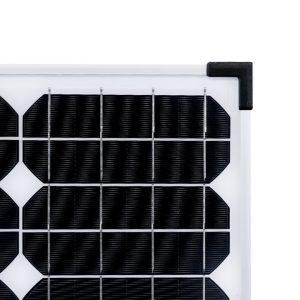
Photovoltaic panels
25,22 € VAT included
Sale!
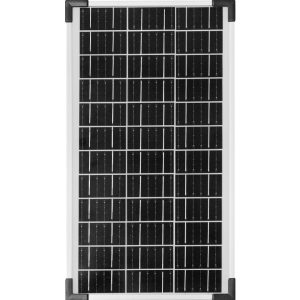
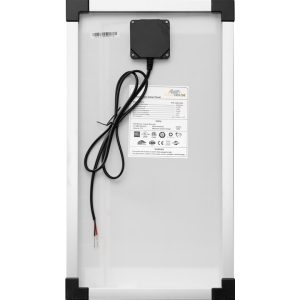
Photovoltaic panels
Original price was: 21,93 €.16,00 €Current price is: 16,00 €. VAT included
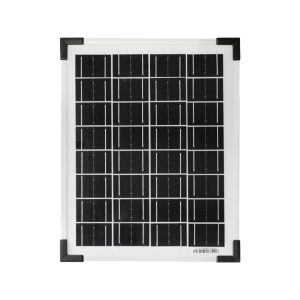
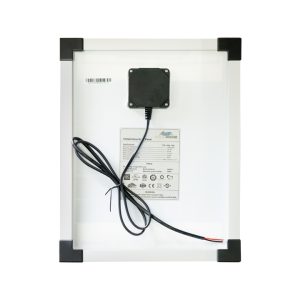
Photovoltaic panels
12,00 € VAT included

photovoltaic configurator
from SOLARHOUSE.bg
SolarHouse.bg presents the innovative photovoltaic configurator, which greatly facilitates the process of designing and building photovoltaic systems. With our calculator you can quickly and easily configure your system according to your needs and get a quote
Photovoltaic panels
Photovoltaic panels are the main part of a solar system, whose role is to convert sunlight into electrical energy needed to meet one's own needs or to feed into the public grid. Photovoltaic panels are divided by the type of silicon cell into monocrystalline and polycrystalline, but polycrystalline panels are no longer used in practice, because the technology does not allow for high efficiency of the panel. Here we'll explain some basic panel terms so you can make the best choice for you.
⠀ ⠀N-Type
Simply put, the main difference between these and standard P-type is the number of electrons each contains. The difference between P-Type and N-Type lies in the chemicals used during production. Specifically, Boron is the chemical mixed with the silicon wafers in a standard P-type solar panel. Boron has one less electron than silicon, making the solar cell positively charged. On the other hand, the N-type solar cell uses phosphorus, which has one more electron than silicon, and you guessed it—this makes the N-type solar cell negatively charged. The result is better efficiency, temperature resistance and degradation over the years.
⠀ ⠀TOPCon
TOPCon, or tunnel oxide passivated contact, was introduced to the industry in 2013 by the Fraunhofer Institute for Solar Energy Systems in Germany and has been used by major Chinese manufacturers since at least 2019. It combines a tunnel oxide layer with a PERC solar cell, for to reduce recombination losses and increase cellular efficiency. TOPCon offers the best combination of efficiency and reliability in terms of capital costs and easily fits into the parameters of the existing module design. In two words – the panels with this technology.
⠀ ⠀Half-Cut
it means exactly as it is translated - a cell cut in half. The silicon cell is cut in half and the panel has twice the number of cells. This gives the following advantages – it allows the panel to be divided into two parts (suitable and lower) and one does not interfere with the other during shading, as well as to reduce losses during the transfer of energy inside the module.
⠀ ⠀Bi-facial
again the term is literal - a two-sided panel. This panel, instead of a white foil on the back side, has glass that allows the cell to also absorb the reflected light through the back side of the panel. This leads to an increase in production and is also considered a more sustainable technology over time, because glass is a more resistant material than foil to atmospheric conditions.
⠀ ⠀Efficiency
– many people misinterpret this term. This is not a coefficient for work done by the panel, that is, a panel with the same power but different efficiency, for example 18% and 22% will produce the same amount of energy on an annual basis, only their size will be different. That is, efficiency is a criteria for the Power/Area ratio. The more efficient panel will basically save you space over the less efficient panel.
⠀ ⠀We can offer you all types of photovoltaic panels of different manufacturers according to your specific needs and according to the type of system you plan to build. In the menu you can find information about the available photovoltaic modules, and for all others, please contact us, we will offer you what you need at competitive prices.
⠀ ⠀Monocrystalline modules
Monocrystalline panels have the highest efficiency of the cell and, accordingly, of the entire module. This is due to the fact that they are made from the purest silicon. They are a product of the element's primary processing. The efficiency can reach up to 22%, while mass varies between 15% - 19%. They have the widest application due to their quality and the smaller space they occupy.
⠀ ⠀Flexible
They are ideal for campers, caravans, boats and any place where the surface is not perfectly flat and does not allow the attachment of ordinary photovoltaic panels. Light and easily portable.
Some models have a special ETFE coating, which increases its resistance to temperature, corrosion and other external influences.
ETFE – Ethylene tetrafluoroethylene. It is designed to have high corrosion resistance and strength over a wide temperature range. ETFE has a relatively high melting point, excellent chemical, electrical and high-energy radiation resistance!
⠀ ⠀Polycrystalline panels
Polycrystalline modules are practically a byproduct of monocrystalline modules. Silicon that is not suitable for a single crystal cell (broken or cracked) is melted and cast into a square mold. For this reason, the cells of polycrystalline panels are completely square. Their efficiency is between 13% – 18%. Their price is slightly lower compared to monocrystalline. They have the best price-products ratio