Български






NEW
Photovoltaic panels
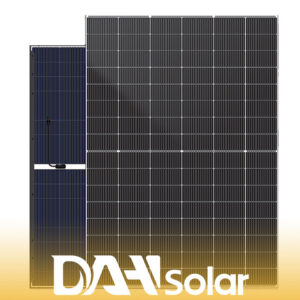
Bifacial solar panel DAH Solar 460W N-type – DHN-48Z16/DG(BW), monocrystalline
85,56 € VAT included
NEW
Photovoltaic panels
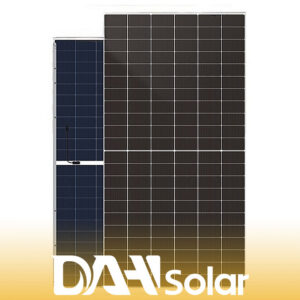
Bifacial solar panel DAH Solar 620W N-type – DHN-66Z20/DG, monocrystalline
115,32 € VAT included
NEW
Photovoltaic panels
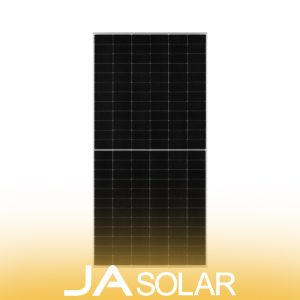
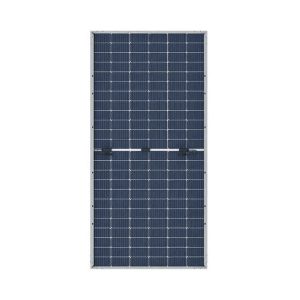
Bifacial solar panel Ja Solar 605W N-type – JAM72D40, monocrystalline
105,27 € VAT included
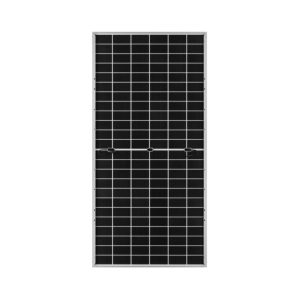
Photovoltaic panels
Bifacial solar panel Ja Solar 595W N-type – JAM72D40, monocrystalline
103,53 € VAT included
NEW
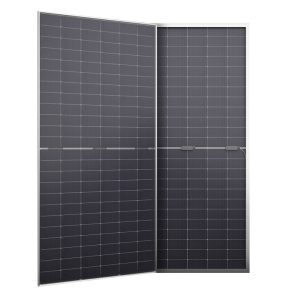
Photovoltaic panels
Jinko 590W Tiger Neo N-type bifacial solar panel – 72HL4-BDV, monocrystalline
113,28 € VAT included
NEW
Photovoltaic panels
Bifacial solar panel DAH Solar 510W N-type – DHN-54Z16/DG(BW), monocrystalline
94,86 € VAT included
NEW
97,92 € VAT included
Bi-facial photovoltaic/solar panels
Bi-facial photovoltaic panels are an innovative technology that allows solar energy to be captured on both sides of the panel. This increases their efficiency compared to traditional single-faced panels. The front side absorbs direct sunlight, while the back side captures reflected light from the environment. This double absorption leads to higher energy yield and optimized performance.
The design of bi-facial panels includes transparent materials on the back side, such as glass, which allows light to penetrate. They are durable and weatherproof, making them suitable for various climatic conditions. Their installation can be both on roofs and on the ground, using special stands to maximize the capture of reflected light.
Advantages of a bifacial photovoltaic panel
One of the main advantages of bifacial panels is increased energy efficiency. Thanks to their ability to capture light from both sides, they can generate up to 30% more energy compared to single-sided panels. This leads to a faster return on investment and reduced electricity costs.
In addition, bifacial panels have a longer service life and lower levels of degradation. They are designed to withstand extreme weather conditions, such as hail, strong winds and snowfall. This ensures the reliability and durability of the system.
Applications and benefits of using bifacial solar panels
Bifacial solar panels are used in various environments, including residential, commercial and industrial sites. They are particularly effective in areas with light surfaces, such as sand or snow, which reflect more light to the back of the panel. Installing them in such conditions can significantly increase energy yield.
The use of bifacial panels contributes to environmental protection by reducing carbon emissions. They offer a sustainable solution for producing clean energy, which is essential in the fight against climate change. Investing in this technology not only reduces electricity costs, but also supports global efforts to transition to renewable energy sources.
Which solar panels are more efficient – single-sided or bifacial?
Bifacial solar panels are more efficient because they capture solar energy from both the front and back. A study by the Technical University of Sofia shows that they produce 7–12% more electricity than classic single-sided panels.
What determines how much more energy bifacial panels will produce?
The additional efficiency depends on the surface underneath. For example:
White geotextile (simulates snow) → up to +12% yield.
Shiny aluminum foil → about +10%.
Patinated sheet metal → +8%.
Artificial grass → +7%.
Are double-sided panels suitable for small and medium-sized businesses?
Yes. They are an ideal solution for businesses that need energy independence and a faster return on investment. Thanks to their higher performance, they provide lower electricity costs and a more stable supply.
And does it make sense for households?
Yes, especially if the roof or yard allows for installation with a suitable surface underneath. Households can save more and achieve energy independence faster.